Every second counts when a voice service provider, ISP, or enterprise network goes down. IT alerting systems exist to notify the right people at the right time so they can respond fast, limit downtime, and preserve customer trust.
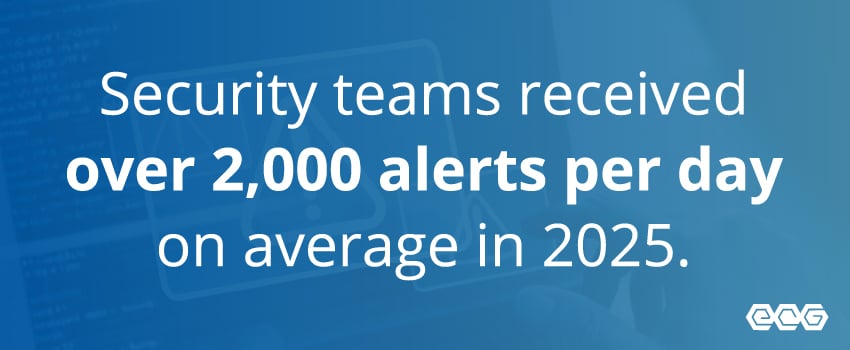
However, the real challenge is managing these alerts at scale without overwhelming your teams. Nearly 80% of security teams in the U.S. receive more alerts than they can effectively investigate – over 2,000 per day on average.1
In this blog, we’ll walk through the basics of IT alerting and how telcos and enterprises can implement the right strategy without adding more noise to their NOC.
What Is IT Alerting?
IT alerting automatically notifies personnel when something in your network infrastructure needs attention, whether it’s an outage, configuration drift, failed backup, or degraded network path. These alerts can come from:
- Network monitoring tools
- Application performance monitoring (APM) tools
- Infrastructure monitoring systems
- Custom scripts and log analyzers
- Security event monitoring platforms
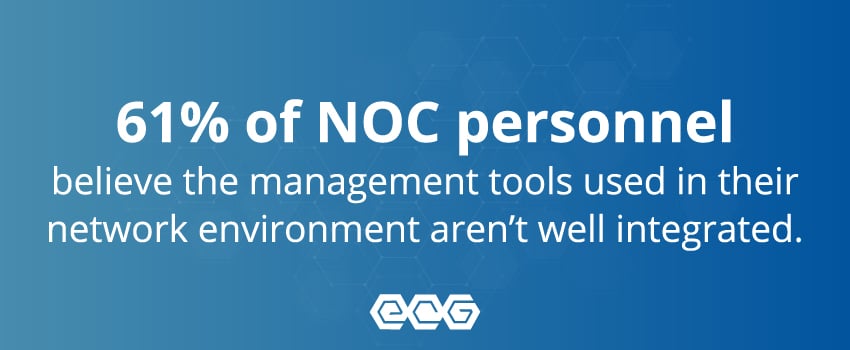
A 2025 survey found that 61% of NOC personnel believe the management tools used throughout their network environment aren’t well integrated.2 IT alerting software helps filter, route, and prioritize alerts from these various systems – otherwise, NOC teams may not catch the issues that matter.
How Does IT Alerting Work?
Most IT alerting tools follow a flow that looks something like this:
- Data Collection: Infrastructure and application components generate telemetry data, including metrics, logs, and events.
- Event Detection: Monitoring tools like infrastructure monitoring platforms analyze this data to identify threshold breaches or anomalies.
- Alert Generation: When a specific rule or threshold is met, an alert is triggered.
- Alert Routing: The alert is routed to the appropriate individual or team based on its severity, type, and the time of day.
- Escalation: If an alert isn’t acknowledged, escalation rules kick in to notify additional personnel.
- Resolution & Documentation: Once resolved, alert metadata can be used for incident reviews, reports, and continuous improvement.
When properly configured, alert management tools serve as a real-time feedback loop for your infrastructure. At ECG, we help service providers and large enterprises implement IT alerting systems that give your teams a chance to understand what's happening, assess the risk, and take the right action – every time.
Types of IT Alerting Software & Tools
Effective alerting management is usually part of a broader monitoring and alerting stack. Some IT alerting tools commonly used by telecoms and ISPs include:
Standalone IT Alerting Systems
Standalone IT alerting software focuses solely on routing, notification, and escalation. These solutions integrate with your monitoring systems and give you advanced IT alerting management capabilities, such as on-call scheduling, time-based escalations, and alert deduplication.
Monitoring Platforms With Built-In Alerting
Most modern infrastructure monitoring tools include integrated alerting systems. These platforms collect data from across your network infrastructure, servers, and applications, then trigger alerts based on configurable thresholds or anomaly detection.
Automated Alerting Tools
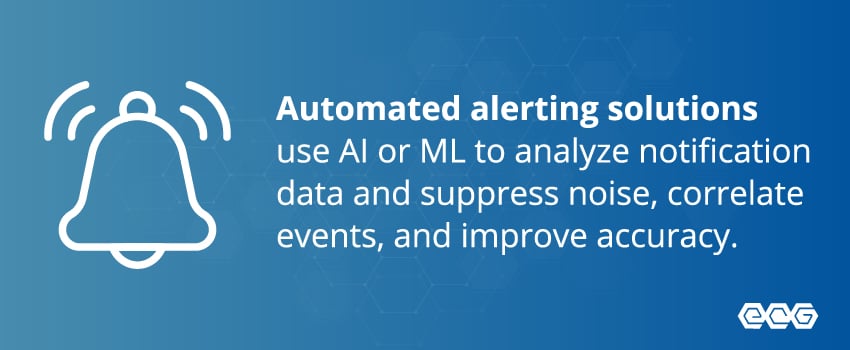
An automated alerting solution uses AI or ML to analyze notification data and suppress noise, correlate events, and improve accuracy. Since automation helps reduce the time NOC teams must spend identifying and prioritizing incoming alerts, these tools are ideal for large providers dealing with thousands of alerts per day.
Alert Management Tools for Telco & ISP Environments
Managing alerts in a high-availability environment like a telco or government IT network is fundamentally different than it is in a corporate IT shop. You’re likely juggling:
- Geo-redundant data centers across multiple time zones
- Regulatory reporting obligations tied to uptime and performance
- Legacy systems like TDM signaling or SS7, alongside modern SIP
- Vendor-specific devices and custom provisioning systems
A general-purpose IT alerting solution isn’t enough in these environments. ECG’s network engineers help carriers implement alert management tools that can handle cross-platform integration – linking event data from infrastructure monitoring with downstream ticketing (like Jira or ServiceNow), voice traffic monitoring (SBCs, softswitches), and even customer communications.
5 Alerting Best Practices for IT Teams
Without structure, alerts can become overwhelming. Here are a few alerting best practices we follow in the field:
1. Limit the Noise
Too many alerts lead to desensitization, and real issues get missed. Avoid this by setting realistic thresholds and leveraging event correlation to prevent false positives.
2. Prioritize by Impact
Separate alerts into tiers (informational, warning, critical) based on their actual impact on services or customers. Critical alerts should be rare and immediately actionable.
3. Use Escalation Paths
Not every issue warrants a 2 am wake-up call. Use escalation tiers so alerts follow the sun and escalate only when appropriate.
4. Test Your Alerting
Don’t wait for production failures to find out if your alerting tools are working. Schedule regular alert drills and failover simulations.
5. Document & Review
Post-incident reviews should always include an alerting review. What worked and what didn’t? Use these notes to refine your response plans and thresholds.
Use Cases for IT Alerting in Service Provider Networks
In our work with Tier 2 and Tier 3 telcos, we’ve seen how IT alerting software plays a critical role in scenarios like:
- VoIP System Failures: Alert when a SIP trunk stops responding or when call quality metrics degrade.
- Network Congestion: Notify NOC when interface utilization exceeds 90% for X minutes.
- Regulatory Compliance: Trigger alerts for noncompliance with STIR/SHAKEN call authentication.
- Infrastructure Failures: Notify teams when a router drops from the BGP table or a DNS server fails health checks.
- Authentication or Provisioning Issues: Detect and notify teams when a provisioning job fails, or login attempts exceed normal limits.
- Security Events: Alert on abnormal outbound traffic or unauthorized access attempts.
These aren’t edge cases – our clients live these every day. That’s why we design alerting strategies that account for voice signaling, network telemetry, and business policy.
Build a Smarter IT Alerting Strategy With ECG
The stakes for missed alerts are high for network operators and service providers, as they can mean compliance issues, SLA failures, and frustrated customers. But whether you’re building your first IT alerting tool or overhauling a sprawling notification system that’s outgrown your ops team, ECG can help.
We bring decades of experience supporting national voice service providers with:
- Tiered alerting for critical infrastructure
- Custom alert integrations for BroadWorks, NetSapiens, Metaswitch, and more
- SIP infrastructure alerting and SBC monitoring
Our experts engineer alerting frameworks that work across your network infrastructure’s monitoring and application layers. Ready to streamline your alerting ecosystem? Get in touch with ECG today for help.
Sources: